
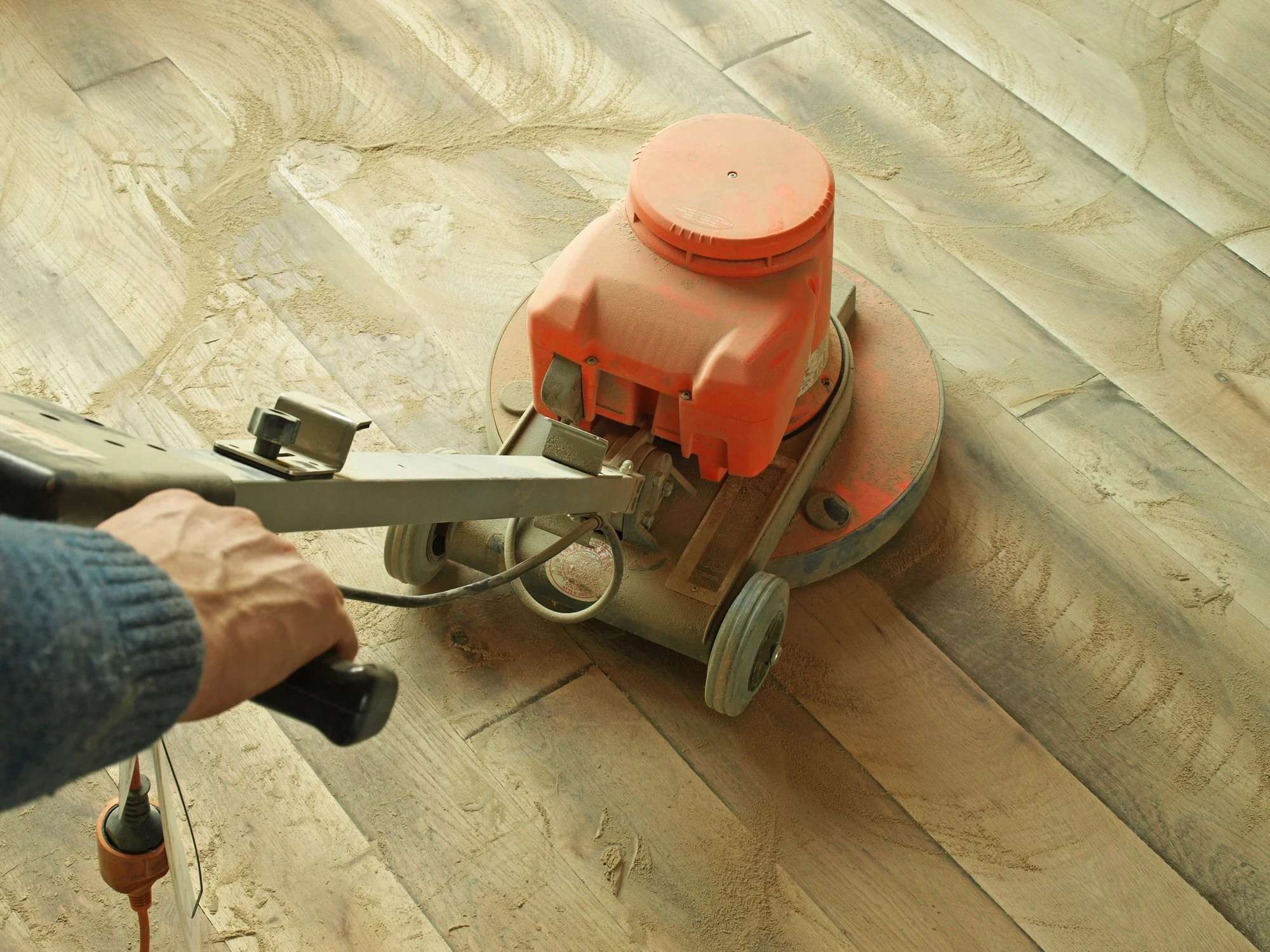
Floor Glue Removal Adelaide
Pulled up old carpet, vinyl or timber and found a slab covered in glue? We remove floor adhesive from concrete across Adelaide using diamond grinding, leaving a clean, flat surface ready for whatever goes down next.
- Removes Carpet, Vinyl, Timber & Tile Adhesive
- Method Diamond Grinding
- Dust HEPA Vacuums
Scraping and solvents rarely get a slab properly clean.
A scraper takes off the thick layer, but a film of glue stays bonded to the concrete. Solvents soften the adhesive, but often just smear it deeper into the pores. Heat guns work, but slowly, a square metre at a time. Whatever’s left stops new adhesives, coatings and sealers from bonding, and it shows through as dark patches on a polished floor.
Diamond grinding removes the adhesive along with the contaminated top layer of concrete. You’re left with clean, sound concrete that new flooring or a finish can bond to properly.
Glue Removal Specification
- Removes carpet, vinyl, lino, timber and tile adhesive
- Grinds off old paint and epoxy coatings
- Diamond grinding back to clean concrete
- Dust controlled with HEPA-rated vacuums
Adhesives and Coatings We Remove
- Carpet glue and underlay residue. This is often patchy, with foam stuck to it.
- Vinyl and lino adhesive. This is usually a thin, hard film across the whole floor.
- Timber floor adhesive. Modern timber adhesives are thick and rubbery, and among the toughest to remove.
- Tile adhesive and old mortar. Left behind after tiles are lifted.
- Old paint and epoxy coatings. Including worn garage paint and failing epoxy floors.
A Note on Asbestos in Older Adhesives
Some older floor adhesives, particularly black bitumen-based glues and adhesives under old vinyl tiles or sheet vinyl, can contain asbestos. Australia banned asbestos at the end of 2003, so homes built or renovated before then are worth checking.
If there’s any chance your adhesive or old flooring contains asbestos, have a sample tested before anyone scrapes, sands or grinds it. If it tests positive, it must be removed by a licensed asbestos removalist before any grinding work on the slab.
What’s Next for Your Slab?
Once the glue is gone, you’ve got options. A lot of our glue removal jobs lead straight into a new finish.
Polish it
If the slab is in good shape, mechanical polish or grind and seal turns it into your finished floor. Some glues soak in and leave shadowing that grinding can’t fully remove, and we’ll tell you once we see it.
Cover it
If the slab is stained or damaged, a polished concrete overlay gives you a fresh surface to polish.
Coat it
For garages, laundries and workshops, epoxy flooring goes straight onto the freshly ground slab.
Lay new flooring
If you’re installing tiles, timber, vinyl or carpet, a clean, ground slab gives your flooring installer the best surface to work with.
Dust, Mess and Disruption
Grinding creates dust, so we run HEPA-rated vacuums with our grinders to capture it as we work. That keeps fine concrete dust out of the air and off the rest of your home far better than scraping or sanding by hand.
The area needs to be clear of furniture before we start. When you book, let us know whether the old carpet, vinyl or timber is still down, and we’ll plan the job around it.
What affects the cost
The main factors are:
- Adhesive type. Thick timber adhesive takes longer than a thin vinyl film
- Area. Larger areas cost less per square metre
- Layers. Several generations of flooring can mean several layers of glue
- Edges and access. Lots of small rooms, cupboards and stairs add detail work
- Follow-on work. Booking glue removal with polishing or coating is often more cost-effective than doing them separately
How We Remove Floor Glue
-
01
Inspect
We identify the adhesive type and check the floor’s condition.
-
02
Protect
We seal off doorways and protect adjoining surfaces.
-
03
Grind
Diamond grinding with HEPA vacuum extraction removes the adhesive across the open floor.
-
04
Detail edges
Edges, corners and doorways are cleaned up with smaller tooling.
-
05
Clean up
Residue is vacuumed and the slab is left clean.
-
06
Check
We walk the floor with you and confirm it’s ready for the next step.
Floor Glue Removal FAQs
Can I polish the concrete after glue removal?
Often, yes. Some adhesives stain deep into the slab, and if that happens we’ll show you the options, including an overlay or a coating.
Can you remove old epoxy or paint from a garage floor?
Yes. We grind off old paint and epoxy coatings as well as floor adhesives.
How long does it take?
It depends on the type of glue and the size of the area. Thin vinyl adhesive comes off much faster than thick timber glue. We’ll give you a timeframe with your quote.
Will grinding damage my slab?
No. Grinding removes a very thin layer of the surface, just enough to get back to clean concrete. It doesn’t weaken the slab.
What about asbestos?
If your floor was laid before 2004 and the adhesive is black or bitumen-based, have it tested before any work starts. Asbestos-containing material must be removed by a licensed removalist.
Other Options Worth Considering
Mechanical Polish
Diamond ground and polished through progressive grits, sealed with a penetrating sealer for a hard, glossy floor.
View Mechanical Polish →Epoxy Flooring
Solid colour and flake epoxy coatings over diamond ground concrete for garages, workshops and warehouses.
View Epoxy Flooring →Not Sure Which Fits?
Send us a few photos and details about the space and we’ll recommend the finish that suits it.
Ask Polished SA →Talk To Us About Floor Glue Removal in Adelaide
We’ll assess the space and quote the finish, sealer and timeframe in writing.
Get A Quote